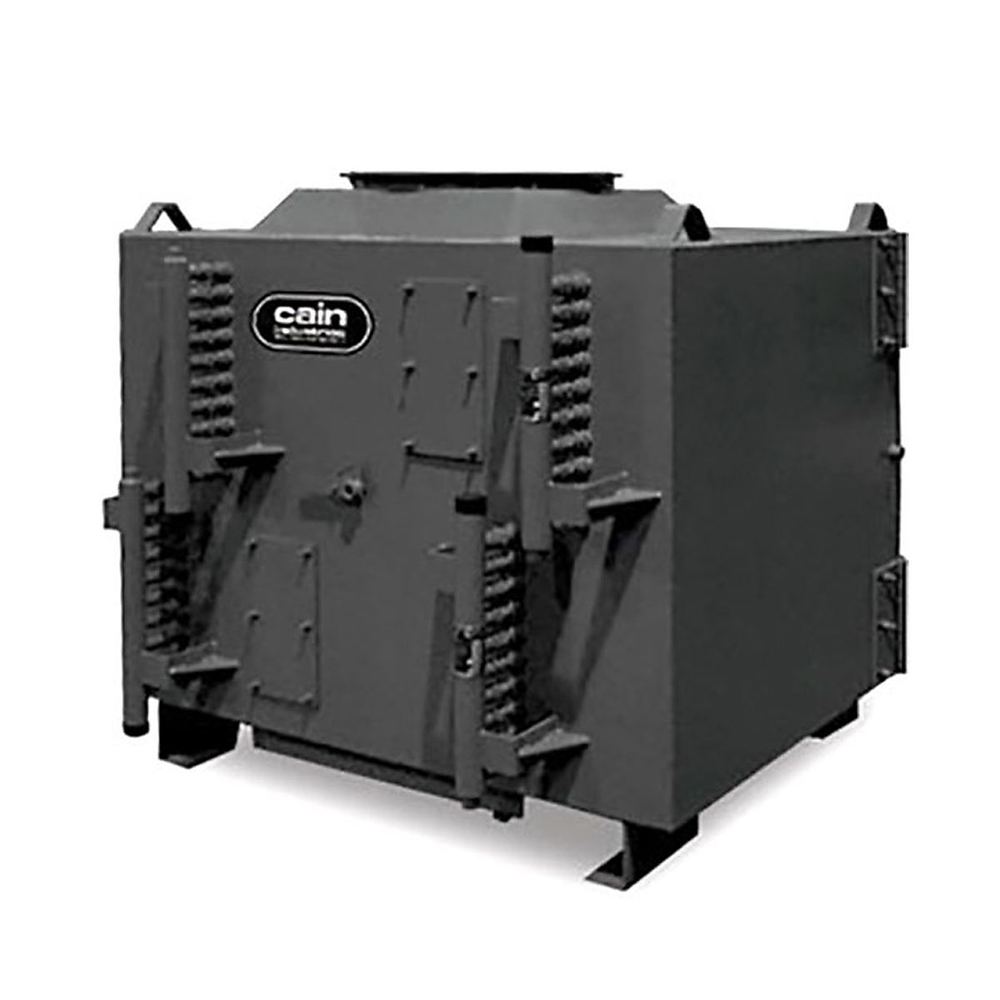
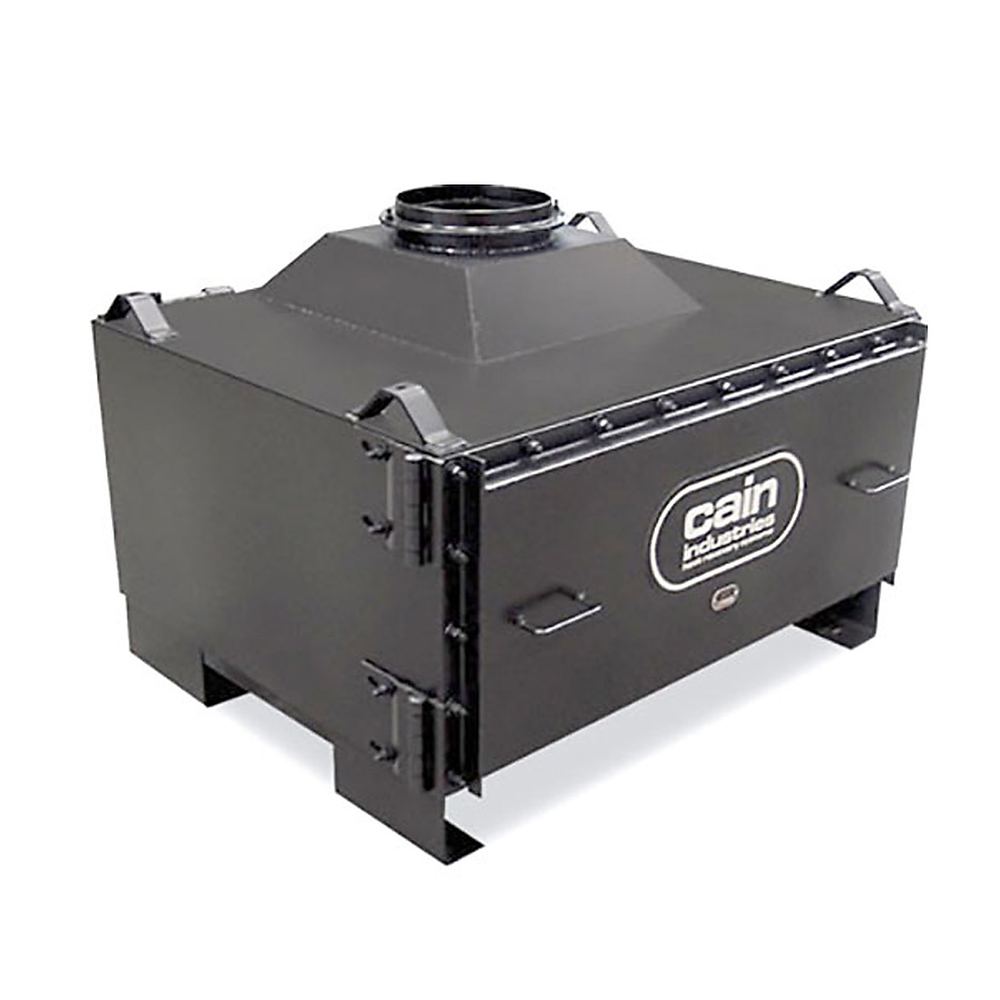
Heat recovery is a sequence, not a box. Meter the fuel, tune the burner, then take the heat above the water dew point out of the flue and — behind it — the latent heat and the water. Every stage is instrumented by the same meters.
One product line, one condensing target: both configurations take the flue gas to 77-49 C (170-120 F), below the water dew point, so the latent heat is recovered either way. Same tube bundle family, same flue connections, same instrumentation. The difference is where the recovered heat goes - CXL into makeup or process water in a single stage; DXL into boiler feedwater first, then makeup water, in two stages.
The split is computed from the measured flue temperatures and the measured condensate, then attributed to the total saving PULSE has recorded since commissioning — not from a marketing curve.
| Boiler | Capacity kW | Flue in °C | Flue out °C | Fuel saved | Condensate kg/h |
|---|---|---|---|---|---|
| UB-01 | 1,500 | 187 | 50 | 8.73 % | 40 |
| UB-02 | 2,500 | 187 | 50 | 8.54 % | 71 |
| UB-03 | 4,000 | 187 | 50 | 8.46 % | 98 |
| UB-04 | 6,000 | 187 | 50 | 8.38 % | 129 |
| Plant total | 14,000 | — | — | 8.47 % | 337 |
Share above the dew point 5.92 % of fuel, latent share 2.55 %. The method is published in the M&V protocol so a third party can re-derive both numbers from the same readings.
Recovery only pays if the fuel figure is real and the burner is not wasting what recovery would have saved. That is what the two supporting modules do.
Fuel, steam, flue gas and condensate — sampled every minute, rolled up by PULSE.
O₂ trim, excess-air control and a three-point tune on the burner train.
Both units are Cain condensing flue-gas economizers on the same product line — the CHR technology Heattech installs. CXL is a single-stage condensing exchanger; DXL adds a second stage. Figures below are the manufacturer’s published ratings.
| Specification | CXL · single-stage condensing | DXL · two-stage condensing |
|---|---|---|
| Combustion sources | Natural gas fired steam boilers, hot water boilers and hot oil heaters with inputs up to 250,000,000 BTU/hr (73 MW) | Natural gas fired steam boilers, hot water boilers and hot oil heaters |
| Combustion capacity | up to 250,000 lb/hr (113,000 kg/h) steam output boiler | up to 250,000 lb/hr (113,000 kg/h) steam output boiler |
| Entering gas temperature | 300–800 °F (149–427 °C) | 300–800 °F (149–427 °C) |
| Gas leaving the exchanger | 170–120 °F (77–49 °C) — cooled below the water dew point, so the vapour condenses | 170–120 °F (77–49 °C) — cooled below the water dew point, so the vapour condenses |
| Heat sink | Makeup water and process water | Boiler feedwater, makeup water, hot water return, hot water storage tank, condensate tank and process water |
| Staging | One condensing stage: heat from above and below the water dew point recovered into makeup or process water | Two stages: stage 1 preheats boiler feedwater, stage 2 preheats makeup water |
| Fuel saving | measured 8.47 % on our demo plant (Avis Foods) — IPMVP Option B, boundary = boiler + economizer | measured 8.47 % on our demo plant (Avis Foods) — IPMVP Option B, boundary = boiler + economizer |
Condensation is drained from the exchanger and away from the combustion source in both models. Every recovered kW is metered by the same instruments that carry the M&V baseline.